
The word soul is deeply connected to the Greek word psyche. In ancient understanding, psyche did not simply mean “mind” in the modern psychological sense. Psyche referred to the animating essence of a human being, the inner life, the breath of being, the seat of consciousness, meaning, feeling, longing, imagination, and identity. It was understood as the living essence within us.
Over time, psychology became more associated with studying the mind, behavior, emotion, and human development. But originally, psychology literally meant “the study of the soul.”
I find this deeply meaningful because it reminds us that the soul is not separate from our humanity. The soul is not floating somewhere outside of ordinary life. It lives through our experiences, relationships, longings, wounds, creativity, love, grief, and awakening.
There comes a moment in many lives when something deeper begins calling to us.
Sometimes it arrives through heartbreak. Sometimes through beauty. Sometimes through loss, silence, stillness, or the sudden realization that the life we have carefully built no longer feels fully alive. Outwardly, everything may appear successful and complete, yet inwardly there can be the quiet feeling that something essential remains undiscovered.
For centuries humanity has called this deeper essence the soul.
But what is the soul, really? Is it religious? Is it mystical? Is it something only certain people can access? Do we have to believe in God in order to experience it?
I do not believe so.
I believe the soul is the deepest truth of who we already are beneath conditioning, fear, performance, identity, and survival. It is the part of us that recognizes truth before words can explain it. The soul quietly stirs when we encounter beauty, love, grief, compassion, awe, or profound human connection. It is the inner knowing that whispers, “This matters. This is real. There is more.”
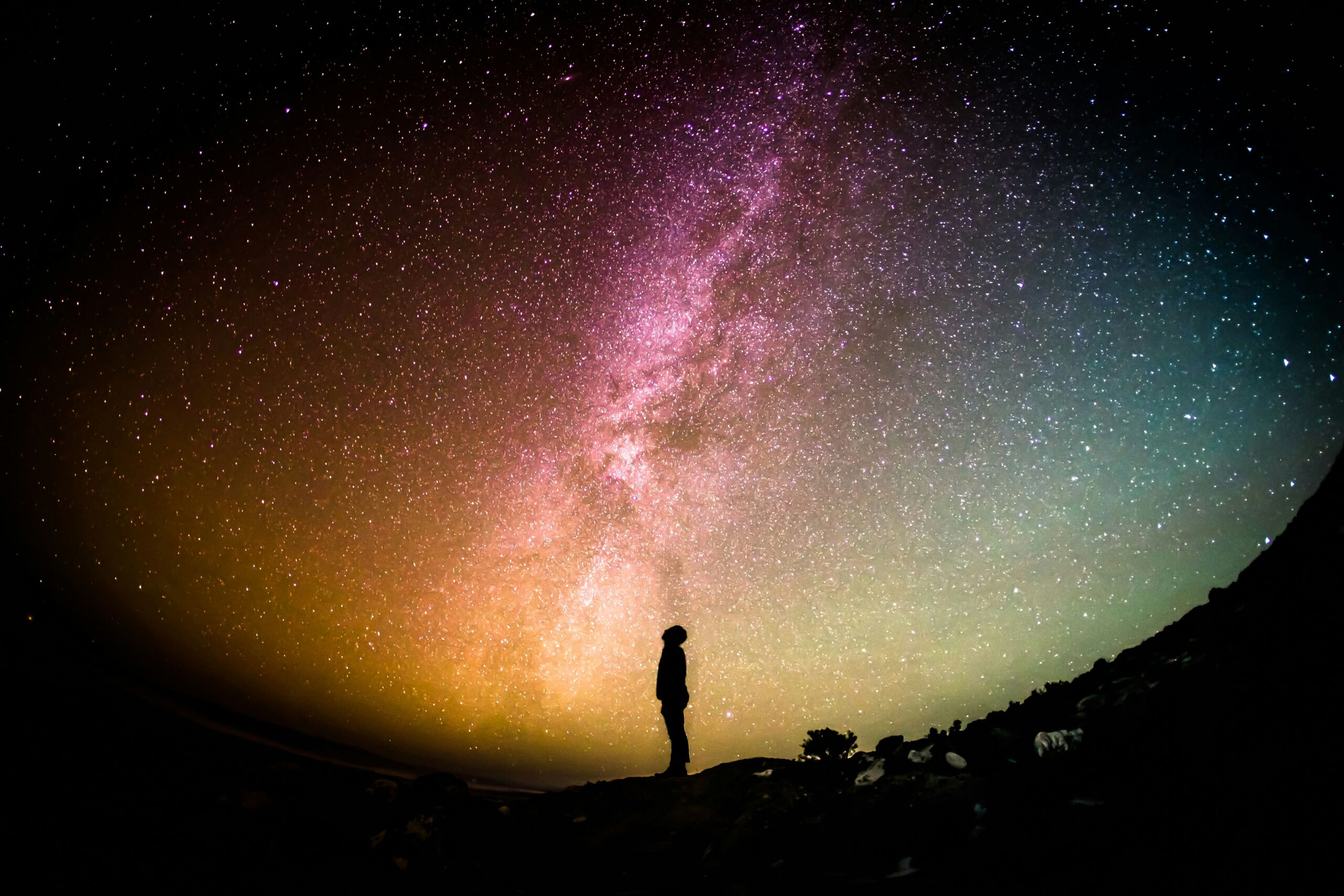
Many people have experienced the soul without ever using spiritual language. A mother holding her newborn child. A man sitting beside someone he loves as they take their final breath. An artist moved to tears while creating. A person standing beneath the night sky suddenly feeling both incredibly small and profoundly connected to everything.
These moments transcend ordinary thinking. They awaken presence.
And presence is often where the soul becomes felt.
Much of modern life conditions us to live almost entirely from the surface self. We learn how to achieve, perform, adapt, protect, and survive. Society teaches us what adulthood is supposed to look like: education, career, responsibilities, family, financial stability, possessions, productivity, and social status. These things are not wrong. They are natural parts of human development and necessary aspects of life itself.
But I believe something new is emerging in our time.
Because people are living longer and healthier lives, many are reaching a point where external accomplishment alone no longer satisfies the deeper longing within them. After decades spent building an identity and fulfilling societal expectations, many begin sensing that another stage of development may be possible.
I call this soulhood.
Just as we move through stages of infancy, childhood, adolescence, and adulthood, I believe there is the potential for another unfolding beyond conventional adulthood. Soulhood begins when we start asking deeper questions about meaning, authenticity, connection, truth, inner freedom, and purpose.
It is less concerned with who we are supposed to be and more concerned with who we truly are.
Soulhood often begins the moment we realize that success and fulfillment are not the same thing. A person may have achieved everything society promised would bring happiness and still feel disconnected from themselves. This realization is not failure. It is often the beginning of awakening.
The ego asks, “How do I protect myself?”
The soul asks, “How do I become fully alive?”
The ego fears surrender because surrender feels like losing control. But the soul recognizes surrender differently. The soul understands surrender not as weakness, but as the willingness to stop resisting what is true.
This does not mean rejecting our humanity. Spirituality is not about escaping the world or transcending ordinary life. It is about integrating our humanity with a deeper awareness of our true nature. The soul is not found by becoming less human, but by becoming more fully human.
This is why spirituality and religion are not necessarily the same thing.
Religion can offer beautiful pathways into spiritual life through teachings, rituals, prayer, and community. For many people, religion becomes a meaningful doorway to the sacred. But spirituality itself is larger than any one doctrine or institution.
Spirituality is ultimately about direct experience. Some people encounter the soul through prayer or meditation. Others through nature, music, creativity, grief, silence, service, or deep human love. Some call this presence God. Others call it consciousness, truth, or simply peace.
The language matters less than the experience itself.
I have met deeply spiritual people inside religion and deeply spiritual people outside of it. I have also met highly religious people who seemed disconnected from their own soul. Spirituality is not about mastering spiritual concepts or speaking spiritual language. It is about becoming inwardly awake.
Often it is suffering that awakens this deeper dimension within us. Pain has a way of dismantling illusion. It strips away what is false and forces us to confront what remains when certainty disappears. This is why some of the most compassionate people are often those who have suffered deeply. Not because suffering itself is holy, but because suffering can soften the heart and deepen our capacity for empathy, understanding, and love.
When the heart opens, the soul becomes more visible.
We begin to recognize that beneath our roles, accomplishments, histories, and defenses, we all carry the same longing: to be seen, to be loved, to belong, to matter, and to feel connected to something real.
One of the greatest misunderstandings about spirituality is the belief that we must become certain. But true spirituality often begins not with certainty, but with humility. With mystery. With wonder. With the willingness to admit, “I do not fully understand life, but I know there is something sacred within it.”
The soul is not reached through intellectual mastery alone. It is experienced through openness, presence, and awareness.
You do not have to become perfect to access your soul. You do not have to transcend your humanity. You do not have to escape pain.
The soul is found in the middle of ordinary life. In forgiveness, compassion, honesty, silence, courage, authenticity and in choosing love even after heartbreak.
Soulhood is not becoming spiritually superior but becoming inwardly whole.
The second half of life is not simply about aging but awakening.
The soul is not asking us to become something more but gently calling us back to what we have always been beneath the noise and conditioning of the world.
Perhaps spirituality is simply the lifelong journey of remembering.
As you reflect on your own life, have there been moments when you felt connected to something deeper than ordinary thought or routine? Have you ever achieved everything you thought would fulfill you, only to discover another longing quietly waiting underneath it? What if the second half of life is not simply about aging, but about awakening? And what if soulhood is the next stage of human becoming?